Popular Urns

























The Ultimate Guide to US Cremation Laws & Ashes Scattering Rules

Navigating the legalities of cremation and final disposition can be a complex journey. Whether you are planning a cremation burial at sea or considering burying an urn in your own backyard, understanding the intersection of federal mandates and state-specific statutes is vital.
This comprehensive guide breaks down the rules for scattering, burial, and transportation to ensure your tribute is both beautiful and legally compliant.
Federal Laws: Scattering at Sea & Air
While states manage much of the funeral industry, the federal government oversees our shared waterways and airspace.
Is it legal to scatter ashes at sea?
Yes, it is legal, provided you follow the Environmental Protection Agency (EPA) regulations. Under the General Permit, you must scatter remains at least 3 nautical miles from land. This applies to both the ocean and certain navigable waters. You are also required to notify the EPA within 30 days of the scattering.
How to scatter ashes at the beach
While federal law governs the open ocean, the "beach" (the shoreline) falls under state or local jurisdiction. Generally, you cannot simply dump ashes on the sand. You must either move 3 nautical miles offshore or obtain a specific local permit for a shore-based ceremony.
Other Federal Rules:
- Air Scattering: The FAA does not prohibit air scattering, provided the act doesn't endanger people or property.
- National Parks: Most parks allow scattering but require a specific permit to scatter ashes from the park superintendent.
- Shipping: The USPS is the only legal carrier for cremated remains. Packages must be clearly labeled with "Label 139."
State-by-State Legal Index
Michigan
- Consent: Michigan requires unanimous written consent from all equal-priority next of kin (e.g., all siblings).
- Timeline: There is a mandatory 48-hour waiting period after death before cremation.
Oklahoma
- Scattering: Allows scattering on private property with owner permission.
- Waterways: Oklahoma allows scattering in rivers and lakes, but environmental regulations and local ordinances must be checked.
Louisiana
- Documentation: Mandatory next-of-kin consent and a documented will are required.
- Waiting Period: 24 hours after death, plus the issuance of a death certificate.
Washington State
- Private Land Burial: Washington is relatively flexible, allowing burial on personal property, though families should check county zoning laws and setback requirements.
- Authorization: A 48-hour waiting period applies.
Minnesota
- Home Burial: Minnesota permits private property burial, but it must be officially recorded. Some counties may require a survey to establish the site as a private cemetery.
- Embalming: Not required if the body is buried or cremated within 72 hours.
Georgia
- Directives: Georgia law allows you to legally designate who has the right to your ashes through a written directive or will.
- Scattering: Generally permitted in meaningful locations with landowner consent.
Illinois
- Unanimous Consent: Like Michigan, Illinois requires all siblings with equal legal rights to sign off on the cremation.
- Timeline: A 24-hour waiting period is standard.
Mexico (International Repatriation)
- Storage: Mexico allows ashes to be kept at home.
- Transport: Most airlines allow the transport of ashes as carry-on, provided you have the death certificate and cremation permit.
FAQ: Deepening Your Understanding
Who legally owns the ashes of a deceased person? In most states, the "right of sepulcher" determines ownership. This typically follows a hierarchy: the surviving spouse, followed by adult children, then parents.
Which body part does not burn in cremation? The "ashes" are not actually ash in the traditional sense. Most of the body, including soft tissue and organs, is consumed. What remains are the bone fragments, which are then processed into a fine powder.
What did Billy Graham say about cremation? The late evangelist Billy Graham noted that cremation does not prevent God from resurrecting the body, stating, "God is able to raise us up regardless of what happens to our physical bodies."
Why is it illegal to dump ashes in the ocean? It is not illegal to scatter them, but it is illegal to dump them without following the 3-mile rule. This is primarily to protect coastal ecosystems and ensure the privacy of beachgoers.
Do caskets sink when buried at sea? For a full-body burial at sea, coffin requirements are strict. The casket must be made of biodegradable materials or be weighted and perforated (usually with 20 two-inch holes) to ensure it sinks rapidly to the seafloor and stays there.
Choosing the Right Vessel
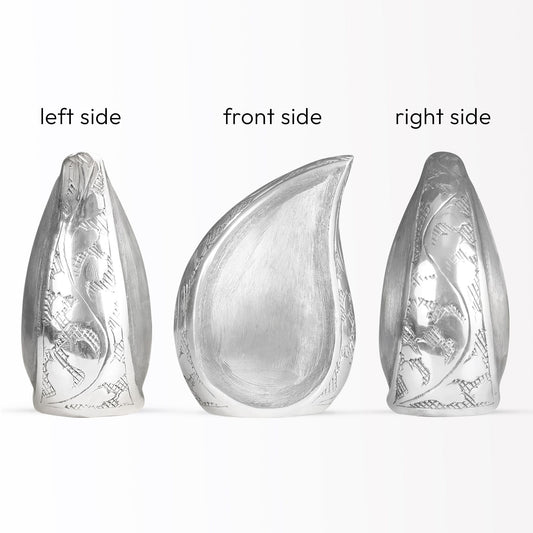
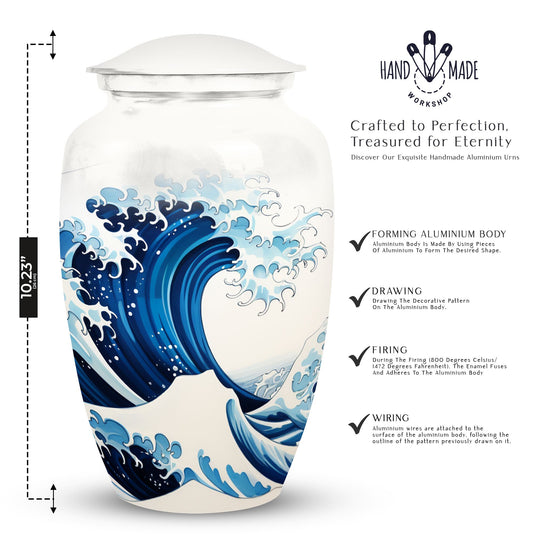
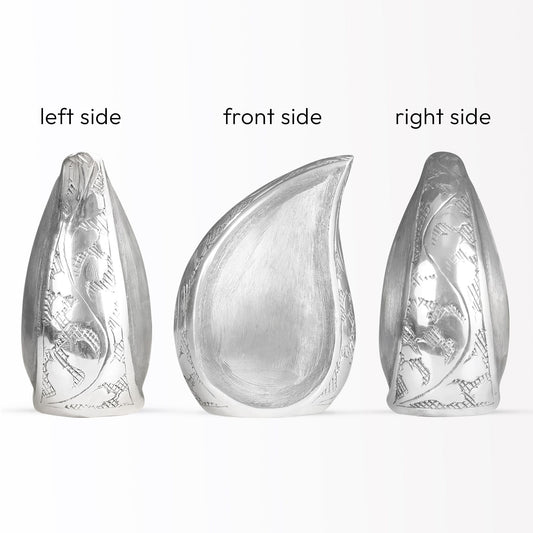
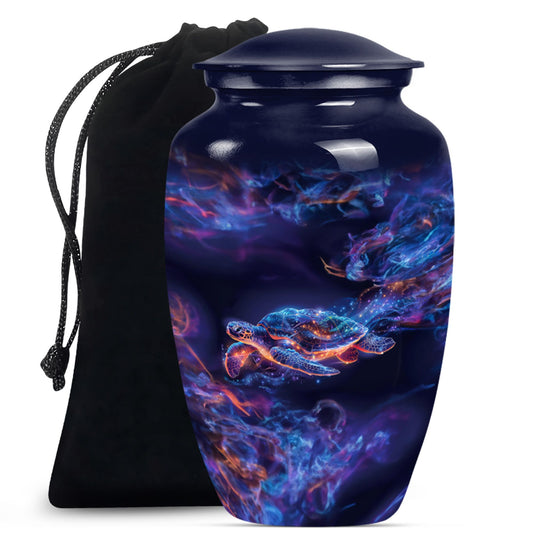
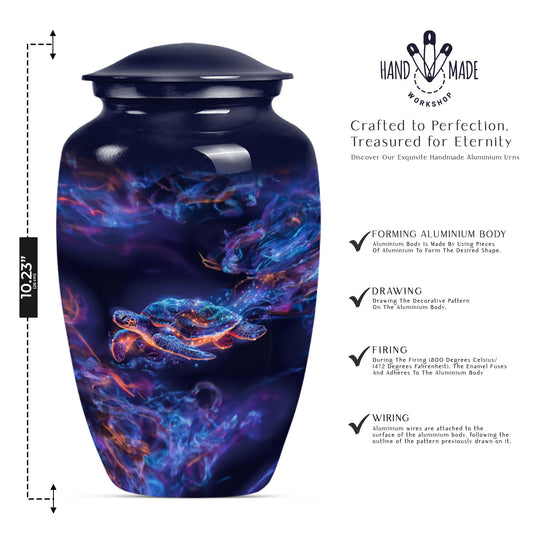
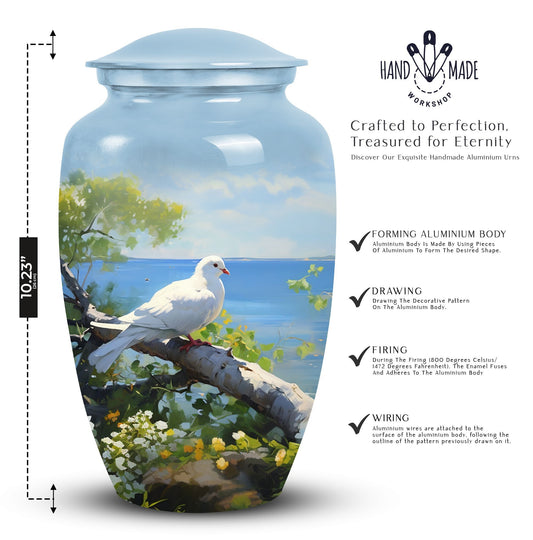
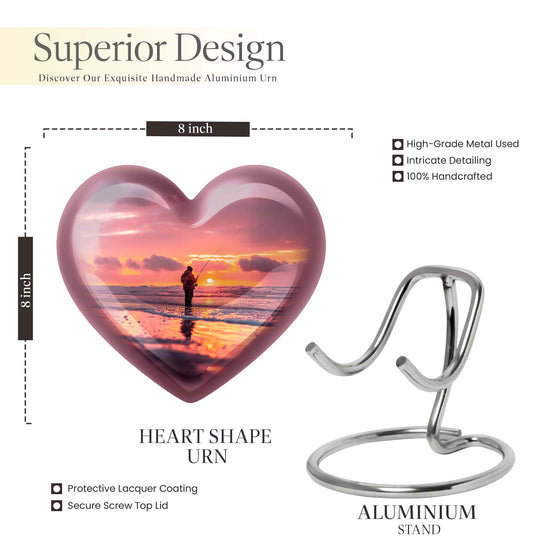
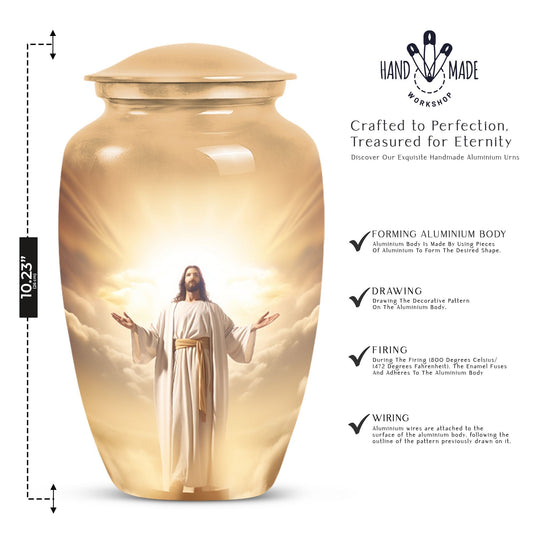
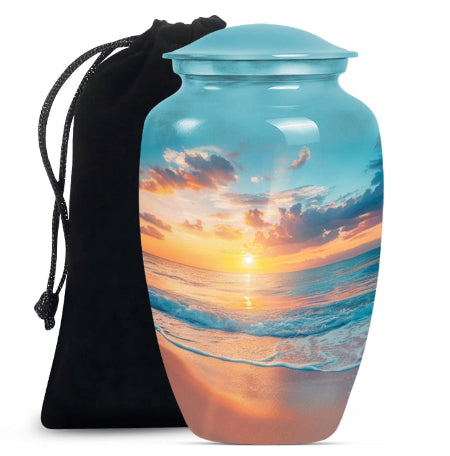
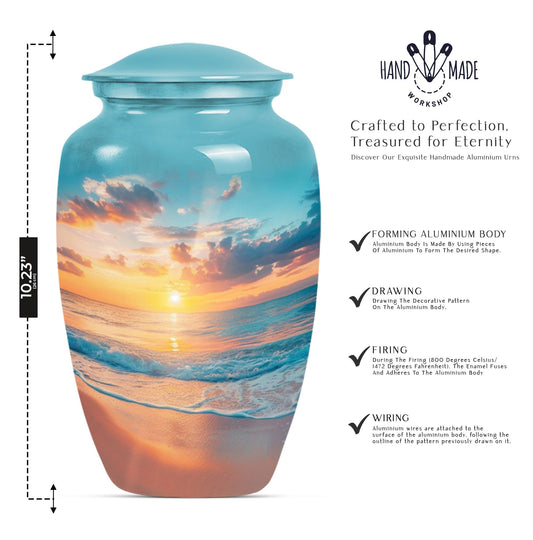
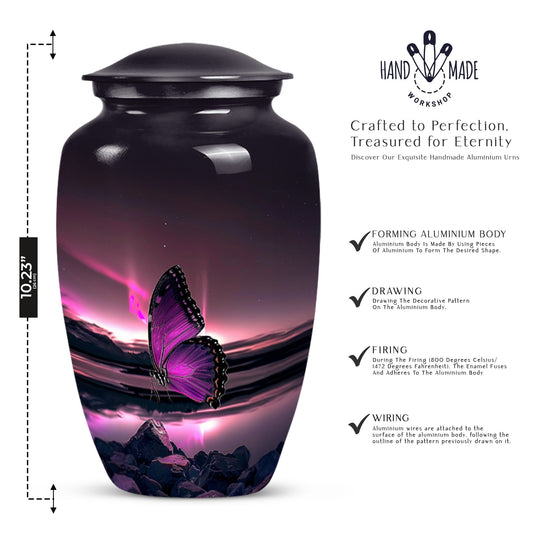
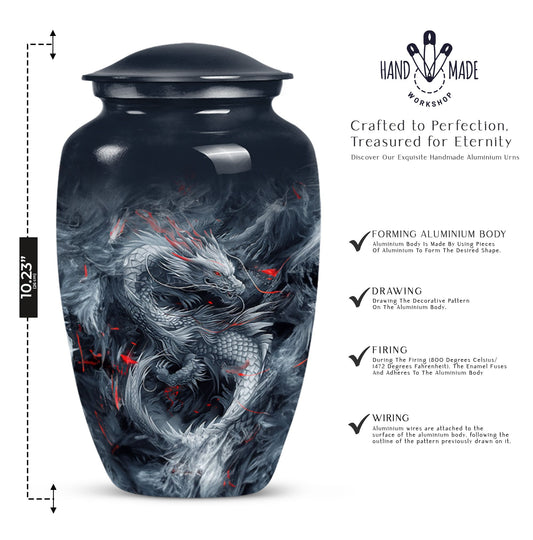
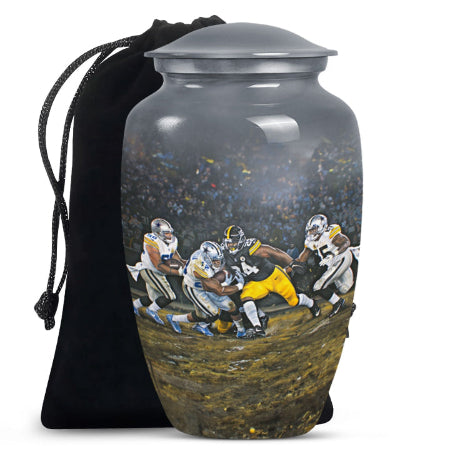
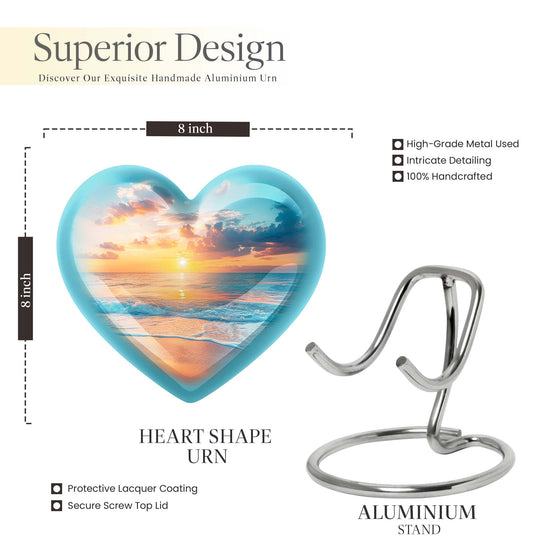
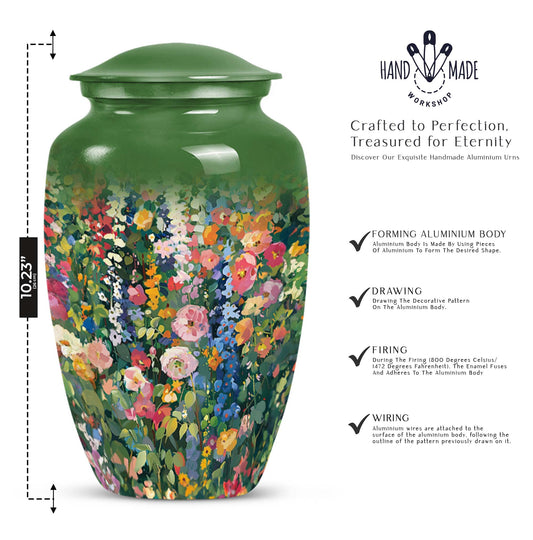
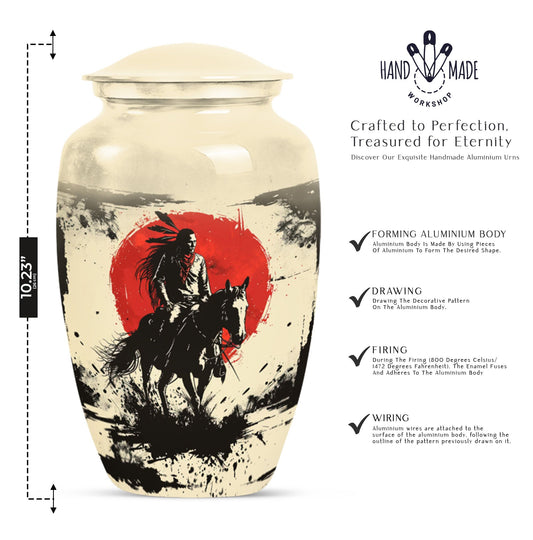
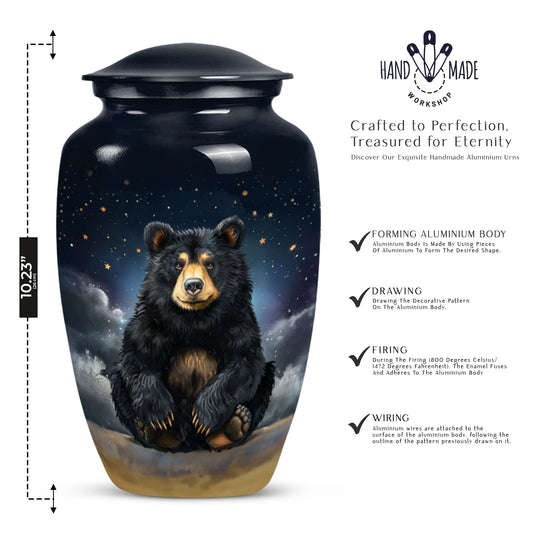
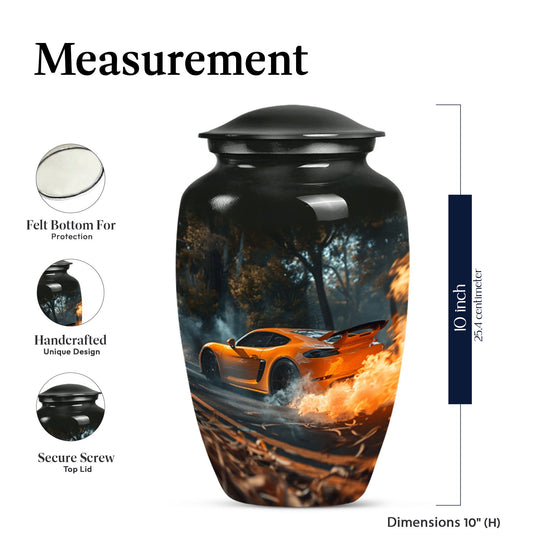
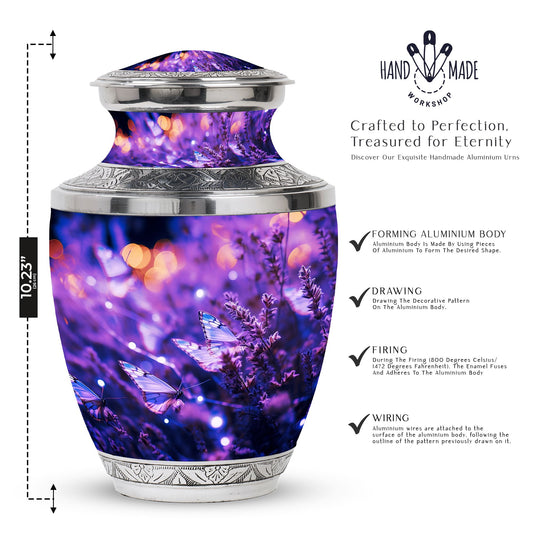
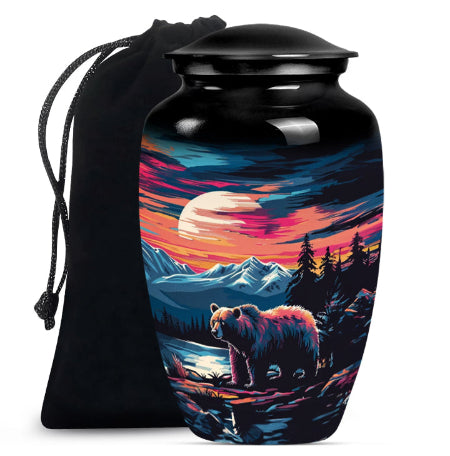
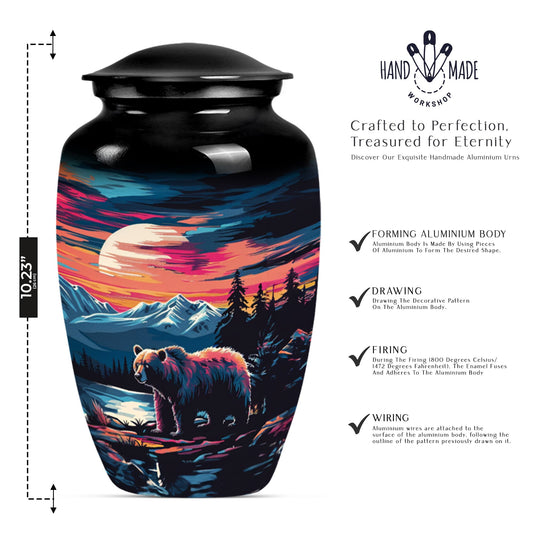
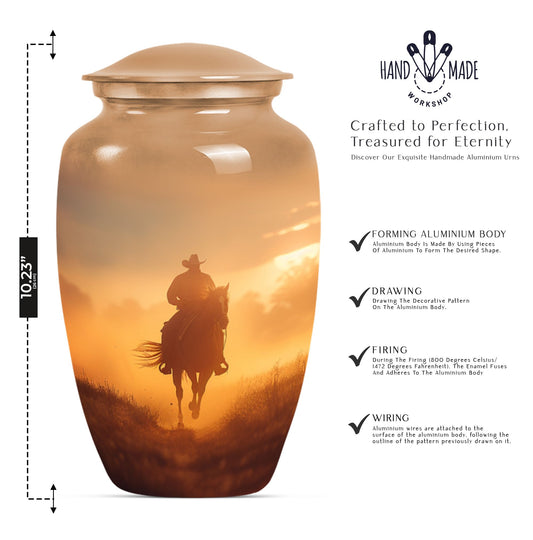
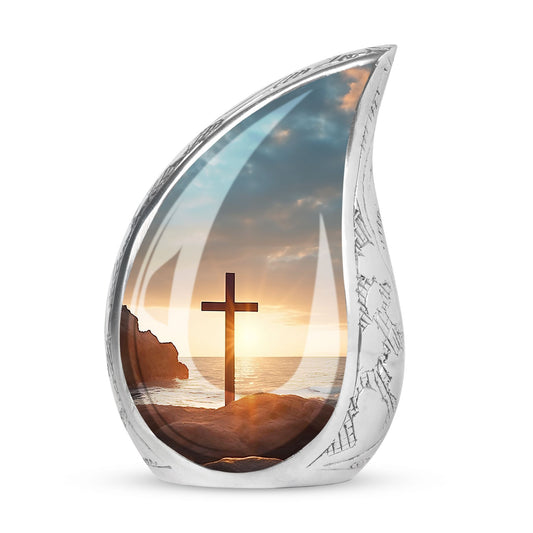
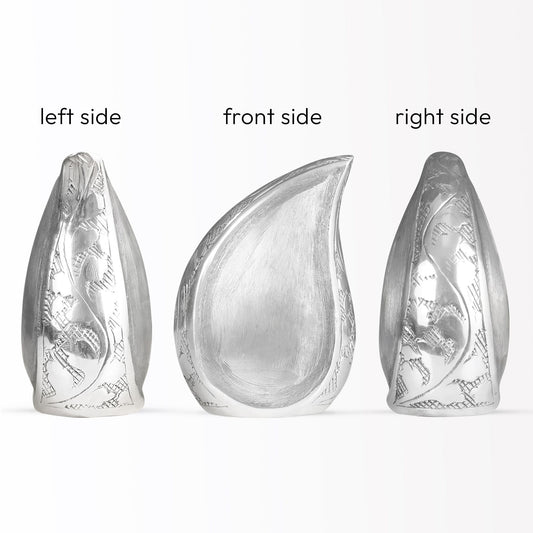
Depending on your legal choice, the type of urn matters. You may consider an adult cremation urn for home storage, a biodegradable scattering urn for water ceremonies like a Bonaventure ash scattering, or a keepsake urn for sharing remains among family members.