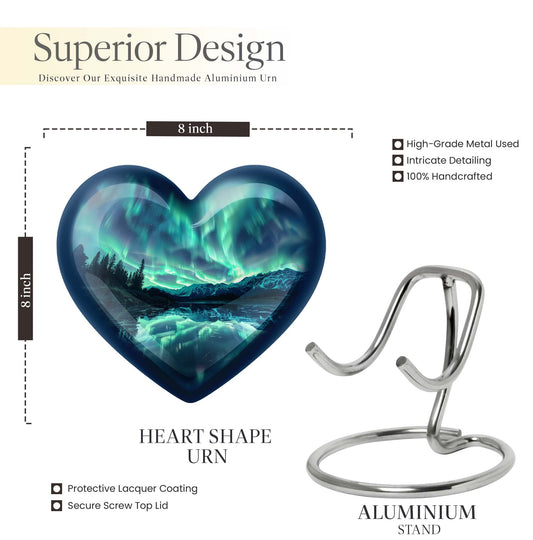
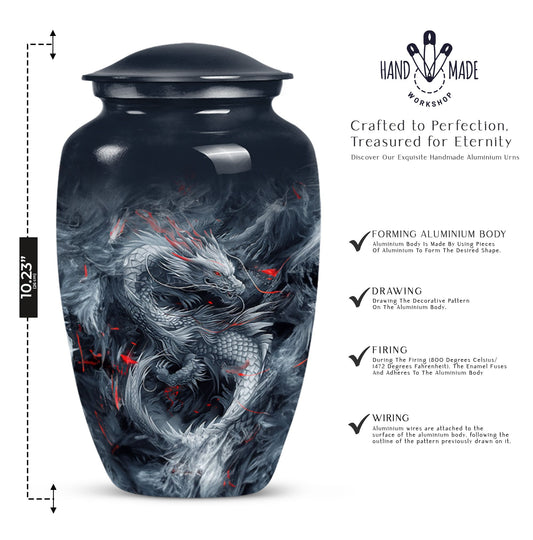
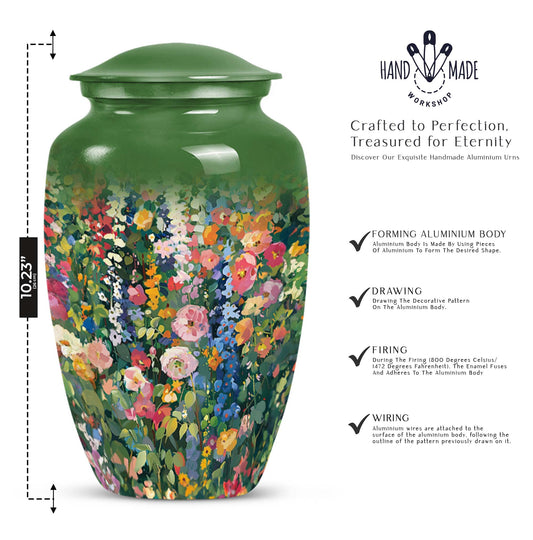
Popular Urns


































Cremation Laws & Regulations in the USA | Ash Scattering & Burial Rules

Understanding cremation laws and regulations in the USA can feel overwhelming, especially when families are already dealing with grief and funeral planning. Whether you are wondering where can you legally scatter ashes, asking if it is legal to bury ashes on your property, or trying to understand cremation rules in states like Michigan, Illinois, Georgia, Indiana, Kentucky, Louisiana, and Washington State, knowing the law is essential.
As cremation becomes more common across the United States, more families are searching for answers about cremation ashes disposal laws, cremation authorization requirements, burial laws by state, and rules regarding human ashes. Questions such as “Is it illegal to spread ashes?”, “Do all siblings have to sign off on cremation?”, and “Why do you have to wait 3 days before cremation?” are now frequently searched online.
This complete guide explains federal cremation rules, state cremation laws, cremation permit processes, scattering ashes laws, burial regulations, transportation of cremated remains, and legal ways to dispose of human ashes. It also explores funeral USA costs, average cost of cremation, cremation container requirements, and the legal definition of cremation.
Federal Cremation Laws and Regulations in the USA
Federal laws mainly regulate cremation ashes transportation, scattering ashes at sea, airline transportation, and environmental safety. States then apply additional cremation laws and regulations based on local funeral and cemetery requirements.
Legal Definition of Cremation
The legal definition of cremation refers to the process of reducing a human body to bone fragments through intense heat and flame inside a crematorium or crematory chamber. The remaining cremation ashes are processed into a fine powder commonly known as cremated remains or cremains.
Cremation laws in the US require that crematories follow strict identification, authorization, and handling procedures to protect the dignity of the deceased.
Is Cremation Legal in the USA?
Yes, cremation is legal in all 50 states. In fact, cremation rates in the United States continue to increase every year because many families consider cremation more affordable and flexible compared to traditional burial.
However, cremation legal requirements vary by state. Some states require waiting periods, multiple signatures from family members, or cremation permits before the cremation process can begin.
Cremation Authorization Form Requirements
Before cremation can occur, funeral homes and crematories require a signed Cremation Authorization Form. This legal document confirms:
- Identity of the deceased
- Permission for cremation
- Authorization from the next of kin
- Final disposition instructions for cremation ashes
The person with legal authority over the remains must sign the cremation authorization paperwork.
Who Has Rights to Ashes After Cremation?
Many families ask who has rights over ashes after cremation. In most states, legal control follows a priority order:
- Spouse
- Adult children
- Parents
- Adult siblings
- Extended relatives
This legal hierarchy determines who can approve cremation, scattering ashes, burial, or transportation of cremated remains.
Do All Siblings Have to Sign Off on Cremation?
This depends on state law. Some states require unanimous consent among equal next of kin.
States that commonly require sibling agreement include:
- Michigan
- Illinois
- Indiana
- Louisiana in some cases
If multiple siblings share equal legal rights, all may need to sign cremation authorization forms before cremation can proceed.
Disputes among family members can delay cremation for days or weeks.
Why Do You Have to Wait 3 Days Before Cremation?
Many people search: “Why wait 3 days before cremation?” or “Why do you have to wait 3 days before cremation?”
The waiting period exists for several legal and medical reasons:
- Time to obtain the death certificate
- Time for medical examiner review
- Investigation of suspicious deaths
- Family identification verification
- Processing of cremation permits
Some states require mandatory waiting periods before cremation.
States With Common Cremation Waiting Periods
24-Hour Waiting States
- Illinois
- Georgia
- Louisiana
48-Hour Waiting States
- Michigan
- Washington State
States With Longer Waiting or Permit Delays
Some states effectively create 72-hour waits due to permit processing and medical review procedures.
These cremation rules are designed to prevent mistakes and ensure proper legal authorization.
Can a Person Be Cremated Without a Death Certificate?
Generally, no. Most states require:
- Official death certificate
- Cremation permit
- Signed authorization form
A crematory cannot legally proceed without proper documentation.
Laws About Scattering Ashes and Cremation Ashes Disposal
One of the most common questions families ask is: “Is it legal to spread ashes?” The answer depends on where you plan to scatter cremation ashes.
Is It Legal to Scatter Human Ashes?
Yes, in most situations scattering ashes is legal, but laws regarding scattering cremated remains vary by state and location.
Families must follow:
- State cremation laws
- Environmental regulations
- Property ownership laws
- Cemetery regulations
Where Can You Legally Scatter Ashes?
You can legally scatter ashes in many locations including:
- Private property with permission
- Designated scattering gardens
- Certain waterways
- Oceans under EPA rules
- Some national parks with permits
However, you should always confirm local ash scattering laws before proceeding.
Is It Illegal to Spread Ashes in Public Places?
In some locations, yes. Scattering ashes in parks, beaches, sports stadiums, or public attractions may require permits or permission.
Many public areas prohibit:
- Dumping ashes directly on pathways
- Visible scattering near crowds
- Unauthorized ceremonies
Is It Illegal to Spread Ashes in a Cemetery?
Many cemeteries allow scattering ashes in designated cremation scattering gardens. However, scattering ashes without permission may violate cemetery regulations.
Always contact the cemetery office first.
Do You Need a Permit to Scatter Ashes?
Sometimes. Permit requirements depend on:
- State law
- Park regulations
- Waterway rules
- Private property permissions
National parks, state parks, and ocean scatterings often require permits.
Scattering Ashes at Sea Laws
The Environmental Protection Agency regulates ocean scattering.
EPA Rules for Spreading Ashes at Sea
Federal law requires:
- Scattering at least 3 nautical miles from shore
- Notification to the EPA within 30 days
- Biodegradable urns for water burial
These rules protect coastal ecosystems and public beaches.
Is It Illegal to Dump Ashes in Water?
Dumping cremation ashes directly into lakes, rivers, or oceans without following regulations may violate environmental laws.
Some states allow scattering in waterways while others restrict it.
Hawaii Ash Scattering Rules
Hawaii permits scattering ashes at sea but follows EPA regulations for offshore ceremonies.
Scattering Ashes in Michigan
Scattering ashes in Lake Michigan is generally allowed if federal EPA rules are followed.
Is It Illegal to Spread Ashes in Georgia, Indiana, Illinois, or Michigan?
Usually no, but permission and location restrictions apply. Private property owner approval is often required.
Legal Ways to Dispose of Human Ashes
Families can legally:
- Keep ashes at home
- Bury ashes in a cemetery
- Bury ashes on private property
- Scatter ashes legally
- Place ashes in columbariums
- Use biodegradable urns
- Divide ashes into keepsake urns
Is It Illegal to Throw Away Human Ashes?
Throwing away human ashes improperly may violate local laws and is generally considered disrespectful.
Many states treat cremated remains similarly to buried remains under disposition laws.
Is It Illegal to Throw Away an Urn With Ashes?
In most cases, yes if the ashes remain inside. Cremation ashes must be handled according to local cremation disposal laws.
State-by-State Cremation Laws and Burial Regulations
Cremation laws by state vary significantly. Some states are highly flexible while others enforce strict cremation regulations.
Michigan Cremation Laws
Michigan cremation law includes:
- Mandatory 48-hour waiting period
- Unanimous sibling consent in some disputes
- Cremation permit requirements
Scattering ashes in Michigan is generally legal with permission.
Illinois Cremation Laws
Illinois cremation laws require:
- 24-hour waiting period
- Signed authorization forms
- Medical examiner approval in some cases
Illinois also has rules regarding cremation container requirements and crematory licensing.
Indiana Cremation Laws
Cremation laws in Indiana require:
- Authorization from legal next of kin
- Cremation permit approval
- Compliance with cemetery rules for burial or scattering
Indiana generally allows burying ashes on private property with local approval.
Kentucky Cremation Laws
Kentucky cremation laws allow cremation after proper authorization and permit approval.
Some counties may require documentation before scattering ashes or home burial.
Georgia Cremation Laws
Georgia cremation laws allow individuals to designate who controls their ashes after death.
Scattering ashes is usually legal with landowner permission.
Louisiana Cremation Laws
Louisiana requires:
- Next-of-kin authorization
- Cremation permits
- Possible sibling agreement in disputes
Washington State Cremation Laws
Washington State is relatively flexible regarding:
- Home storage of ashes
- Burial on private property
- Scattering ashes
However, county zoning laws still apply.
Arizona Cremation Laws
Arizona allows cremation after permit approval and legal authorization. Scattering ashes is generally permitted with property owner consent.
Tennessee Cremation Laws
Tennessee cremation laws may require sibling authorization if no spouse or parent survives.
Nevada Cremation Regulations
Nevada allows scattering ashes in many public areas with permission. Crematories must comply with state funeral licensing laws.
Arkansas Cremation Laws
Arkansas requires cremation permits and next-of-kin authorization before cremation can occur.
Burying Cremated Remains on Private Property and Funeral Planning
Many families want to know: “Can you bury ashes on your property?”
Is It Legal to Bury Ashes on Your Property?
In many states, yes. Burying cremated remains on private property is legal if:
- Local zoning laws permit it
- Property owner approves
- Environmental restrictions are followed
Can You Bury Human Ashes in Your Backyard?
Often yes, but counties may regulate:
- Burial depth
- Distance from water sources
- Property documentation
Some areas may require registering the burial location.
Can You Bury Cremated Remains in Your Backyard?
Backyard burial is commonly permitted for cremation ashes because cremated remains are not considered a public health hazard.
Are Human Ashes a Biohazard?
No. Cremated ashes are sterile mineral fragments and are generally not dangerous.
Can You Keep Family Ashes at Home?
Yes. Most states allow families to store cremation urns at home.
Laws Regarding Keeping Ashes at Home
Very few states restrict keeping cremated remains at home. Families often place urns:
- On memorial shelves
- In family rooms
- In home memorial gardens
Rules for Cremation Urns
Urn requirements vary depending on usage:
- Burial urns may need vault compatibility
- Airline transport requires X-ray friendly containers
- Water burial urns should be biodegradable
Biodegradable Urns for Water Burial
Biodegradable urns are designed for:
- Ocean scattering
- Lake ceremonies
- Eco-friendly burial
These urns dissolve naturally in water.
Cremation Container Requirements
Most crematories require:
- Combustible cremation containers
- Proper labeling
- Leak-resistant temporary containers
Can You Bury an Urn in Your Backyard?
Yes, many families legally bury urns in private memorial gardens.
Cremation Costs, Funeral Expenses, and FAQ About Human Ashes
Understanding funeral expenses helps families plan ahead.
Average Cost of Cremation
The average cost of cremation in the USA ranges from:
-
$800 to $3,500 for direct cremation
-
$4,000 to $8,000 for cremation with funeral services
Why Is Cremation So Expensive?
Cremation costs include:
- Funeral home services
- Transportation
- Cremation permits
- Death certificates
- Crematory fees
- Urn costs
Cost of Prepaid Cremation
Prepaid cremation plans may help families lock in current pricing and reduce future funeral USA expenses.
Funeral USA Costs
Traditional funerals in the United States often exceed $7,000 to $12,000 including:
- Casket
- Embalming
- Cemetery plot
- Headstone
- Burial services
Is There Any DNA Left in Cremated Ashes?
No usable DNA typically remains after cremation because extreme heat destroys organic material.
Which Body Part Does Not Burn During Cremation?
Bone fragments remain after cremation and are processed into cremation ashes.
How Much Does a Cremated Body Weigh?
Average cremated remains weigh:
- Adults: 4–8 pounds
- Children: less depending on body size
How Do Hindus Cremate in the USA?
Hindu cremation ceremonies in the USA often include:
- Traditional prayers
- Witnessed cremation
- Ash immersion ceremonies
- Religious rituals before cremation
Many funeral homes now accommodate Hindu cremation traditions.
Is It Legal to Cremate a Body Yourself?
In most states, no. Cremation must occur in a licensed crematorium or crematory facility.
Can You Cross Ashes From Mexico to the US?
Yes. Airlines usually require:
- Death certificate
- Cremation certificate
- Proper urn container
Is It Legal to Have a Viking Funeral in the US?
Traditional Viking funerals involving open burning boats are generally illegal due to environmental and fire regulations.
What Are the Rules for Scattering Ashes?
General rules include:
- Obtain property permission
- Follow EPA water regulations
- Respect public spaces
- Use biodegradable urns when required
Where Can Ashes Be Legally Scattered?
Legal ash scattering locations often include:
- Private land
- Oceans
- Designated gardens
- Certain parks
- Cemeteries with permission
Cremation Laws and Regulations Continue to Evolve
As cremation becomes more popular, cremation laws and regulations in the USA continue to evolve. States frequently update:
- Scattering ashes laws
- Cremation permit requirements
- Crematory regulations
- Burial laws
- Funeral licensing standards
Families should always consult:
- Local funeral homes
- Cemetery offices
- State health departments
- Cremation societies
- Legal professionals if disputes arise
Planning ahead and understanding cremation rules ensures that final wishes are honored respectfully, legally, and peacefully.
Whether you plan to bury cremated remains on private property, scatter ashes at sea, keep ashes at home, or place them in a cemetery, following the proper cremation laws protects both your family and your loved one’s memory.