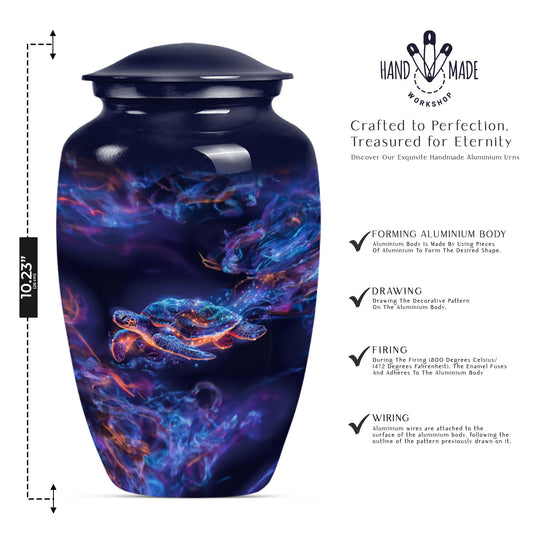
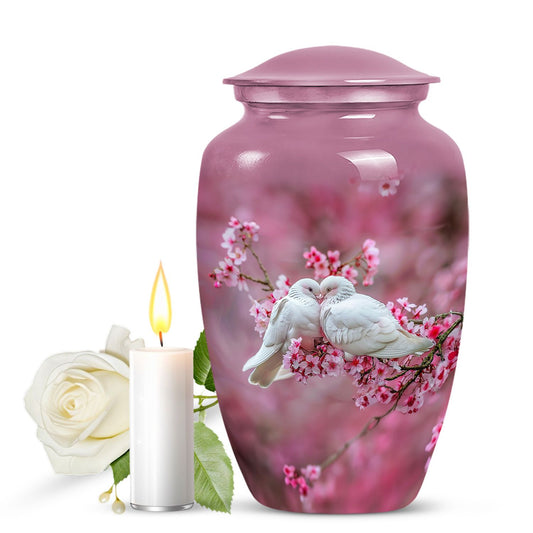
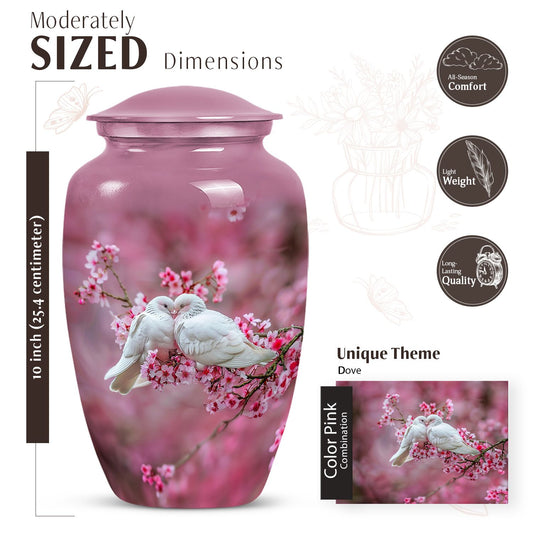
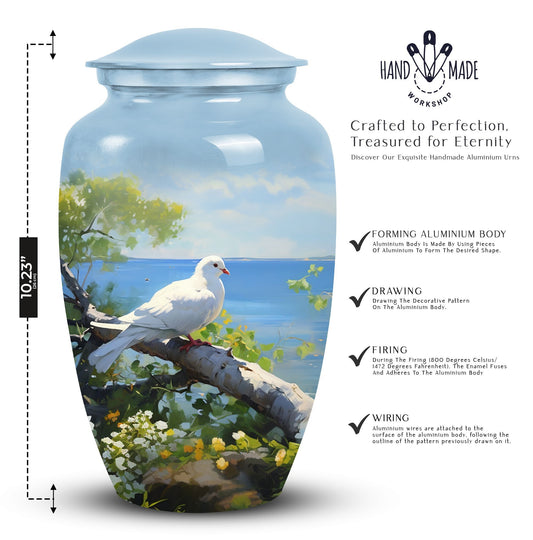
Popular Urns






















Can Cremated Remains Be Buried With Another Person?

Can Cremated Remains Be Buried With Another Person?
Choosing a final resting place is one of the most emotional decisions a family can make. Many people wish to remain close to their spouse, parents, children, or loved ones even after death. As cremation continues to become more common around the world, families often ask an important question: Can cremated remains be buried with another person?
The simple answer is yes. In many cemeteries, cremated remains can be buried in an existing grave, family plot, or companion burial space. However, the process depends on cemetery rules, local laws, and burial permissions. Understanding these details in advance can help families avoid unnecessary stress and expenses during an already difficult time.
Understanding Shared Burial Options
When families ask whether cremated remains can be buried with another person, they are usually looking for a way to keep loved ones together while also managing cemetery costs and available space.
Today, most cemeteries offer flexible burial options for cremation urns because cremated remains require significantly less space than traditional casket burials.
Can Cremated Remains Be Buried in an Existing Grave?
Yes, in most cases cremated remains can be buried in an existing grave. Many cemeteries allow one or more urns to be placed in a grave that already contains a casket or another urn.
Because an urn is compact, a standard burial plot can often accommodate:
- One casket and multiple urns
- Two or more cremation urns
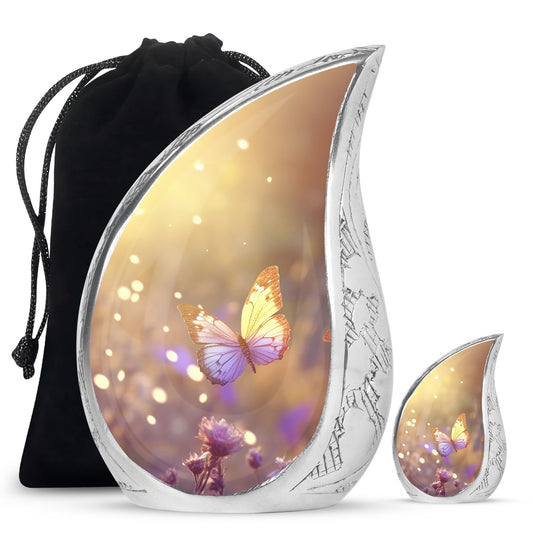
- A companion urn designed for two individuals
This option is especially popular among married couples and family members who want to share a final resting place.
Before proceeding, families should contact the cemetery office to confirm:
- How many interments are allowed in the plot
- Whether extra permits are required
- Any additional cemetery fees
- Specific urn size or material requirements
Can Two Cremated Remains Be Buried Together?
Absolutely. Many cemeteries offer what is known as a companion interment, where two cremated remains are buried together in the same plot.
Families can choose between:
Separate Urns
Each individual has their own cremation urn, but both urns are buried together in one grave space.
Companion Urns
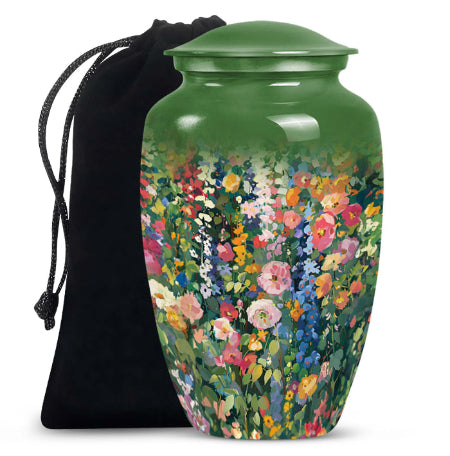
A companion urn is a larger urn specifically designed to hold the ashes of two people. These urns are commonly chosen by spouses or partners who wish to remain together permanently.
Companion burial options can also reduce cemetery costs since only one burial space may be needed.
How Much Does It Cost to Bury Ashes in an Existing Grave?
Even if the burial plot has already been purchased, there are usually additional fees involved when adding cremated remains to an existing grave.
Common Cemetery Costs Include:
Interment Fee
This covers the professional opening and closing of the grave for the urn burial. Depending on the cemetery, this fee typically ranges from $350 to $1,000 or more.
Second Right of Interment Fee
Many cemeteries charge an administrative fee for adding another individual to the plot records.
Marker or Engraving Fees
If a new name or date needs to be added to an existing headstone or memorial plaque, there may be additional engraving charges.
Cemetery Maintenance Fees
Some cemeteries also include ongoing maintenance or perpetual care fees.
The total cost depends on the cemetery location, burial policies, and the type of urn burial selected.
Can You Be Buried With Someone in the Same Casket?
This is another question families commonly ask when planning shared burials.
Can Two Bodies Be Buried in the Same Casket?
In most cemeteries and jurisdictions, two full-body burials in one standard casket are generally not permitted due to health regulations, grave size limitations, and cemetery policies.
Can Cremated Remains Be Placed Inside a Casket?
Sometimes, yes.
Some cemeteries may allow a small urn containing cremated remains to be placed inside a spouse’s or loved one’s casket before burial. This arrangement usually requires:
- Permission from the cemetery
- Approval from the funeral home
- Proper documentation and authorization
This option is often chosen by couples who wish to remain physically together after death.
Why You Cannot Bury Ashes in a Cemetery Without Permission
Some families wonder if they can privately bury ashes in a cemetery without notifying the cemetery office. However, doing so can create serious legal and ethical problems.
Is It Illegal to Bury Ashes in a Cemetery Without Permission?
Yes. In many locations, burying ashes in a cemetery without authorization is illegal.
Cemeteries are legally required to maintain accurate burial records and maps that identify every grave and interment within the property. Unauthorized burials can disrupt those records and create future legal complications.
Unauthorized burial may be considered:
- Trespassing
- Illegal disposal of human remains
- Violation of cemetery regulations
- Disturbance of cemetery property
Cemeteries may also remove unauthorized urns at the family’s expense.
Always work directly with the cemetery to ensure the burial is properly documented and legally approved.
Frequently Asked Questions
Can My Ashes Be Buried With My Husband or Wife?
In most cases, yes. Many married couples choose companion burial arrangements so they can remain together in the same plot or memorial space.
If your spouse already owns a burial plot, you may be able to purchase additional interment rights to place your ashes there in the future.
Can Cremated Remains Be Buried With Parents or Family Members?
Yes. Family plots are commonly used for shared cremation burials. Depending on cemetery rules, multiple urns can often be placed within one family grave space.
How Long After Cremation Can Ashes Be Buried?
There is no time limit. Cremated remains are stable and can be stored safely for years before burial.
Some families wait until:
- A spouse passes away
- A family burial ceremony is planned
- A permanent cemetery decision is made
This flexibility is one reason cremation has become increasingly popular.
What Does Religion Say About Cremation and Keeping Ashes?
Religious beliefs about cremation vary widely.
Catholic Christianity
The Catholic Church allows cremation but prefers cremated remains to be buried in sacred ground or placed in a columbarium rather than stored permanently at home.
Protestant Christianity
Most Protestant denominations accept cremation as a personal decision.
Hinduism
Cremation is widely practiced and considered spiritually important in Hindu traditions.
Islam and Orthodox Judaism
Traditional burial is generally required, and cremation is often prohibited.
Families should always consider their religious and cultural beliefs when making final arrangement decisions.
Is There DNA Left in Cremated Ashes?
The cremation process exposes the body to temperatures between 1,400°F and 1,800°F, which destroys organic material and DNA.
The remaining ashes are primarily processed bone fragments made of calcium compounds. While DNA testing is generally not possible from cremated ashes, the remains are still treated with dignity, respect, and legal protection.
Planning Ahead for Shared Burial
If you wish to be buried with a spouse, parent, or loved one, pre-planning is highly recommended.
Contact the cemetery in advance and ask about:
- Companion interment policies
- Existing grave space availability
- Additional interment rights
- Companion urn options
- Cemetery fees and documentation
Planning ahead ensures your wishes are clearly documented and reduces emotional and financial stress for surviving family members.
Whether choosing a companion urn, family plot, or shared memorial space, being buried together can provide comfort, connection, and lasting peace for generations to come.